Getting Your Boots Right
It’s absolutely crucial to your comfort on an expedition - the main physical problem people have is their feet, and yet most of the issues with feet are preventable. And that’s the clue - preventable. Follow the right steps beforehand and your chances of foot problems are hugely reduced. Sometimes it can be annoying to have to stop during the day to treat a developing blister or change to dry socks, but it’s so worth it…
Choose the right boots
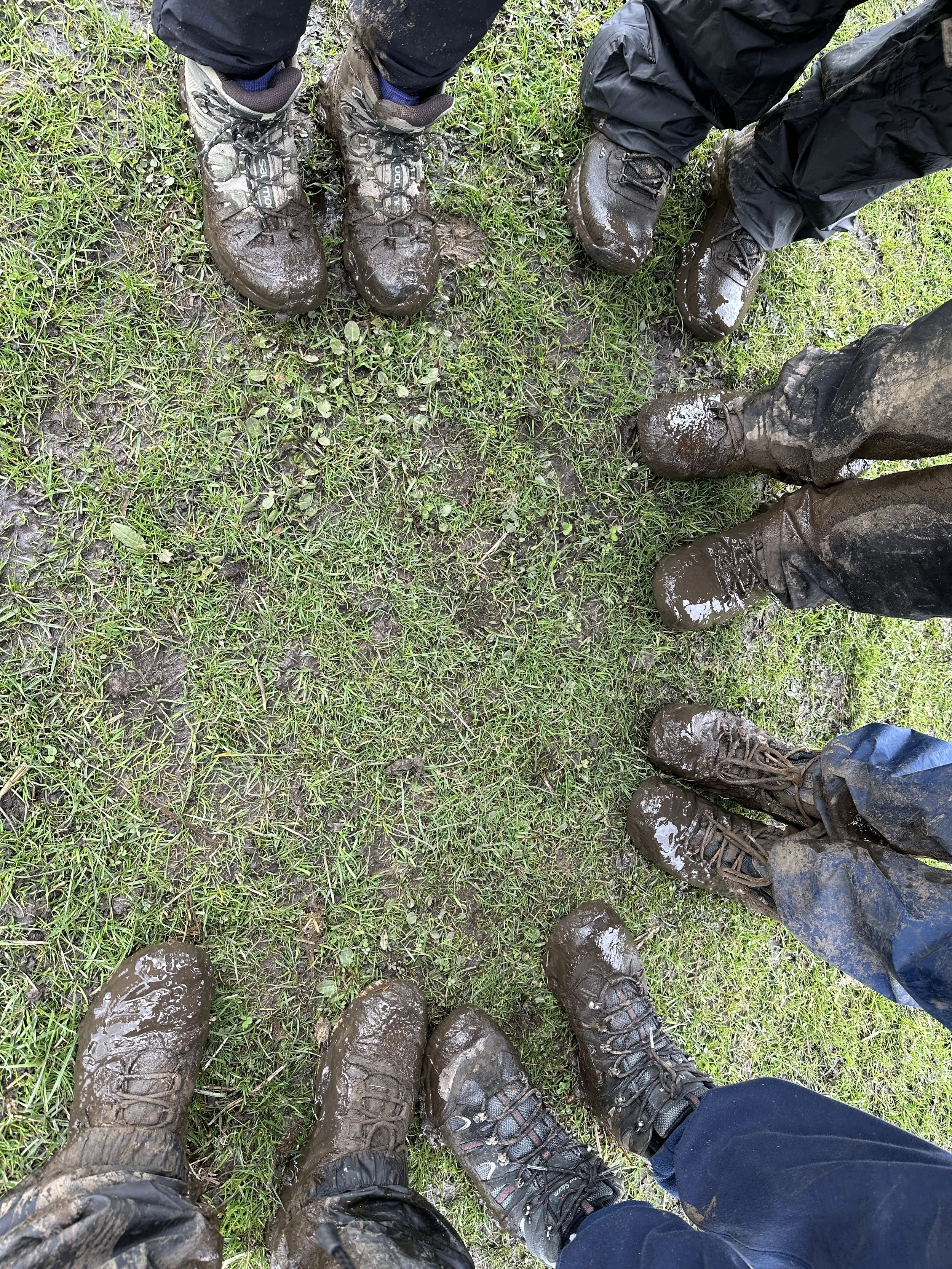
You’ll be walking in the hills on rocky and muddy paths, and it could rain - so your boots need to be tough. But they don’t need to look like they could climb Everest in 1953 and be made of super heavy leather. Those types of boots have their place, but they are really heavy and take a long time to ‘wear in’ properly. Often they will wear your feet in before you’ve worn the boots in.
So choose boots with a good grip in the sole but which are light and comfortable - many boots in shops now are fabric, some Goretex, and are flexible and light. Go for these.
Don’t choose these, which have turned up on TrekCo trips before: Moon boots for ski resorts - wellies - Crocs - Uggs - just don’t do it! They are absolutely hopeless for proper hill walking!
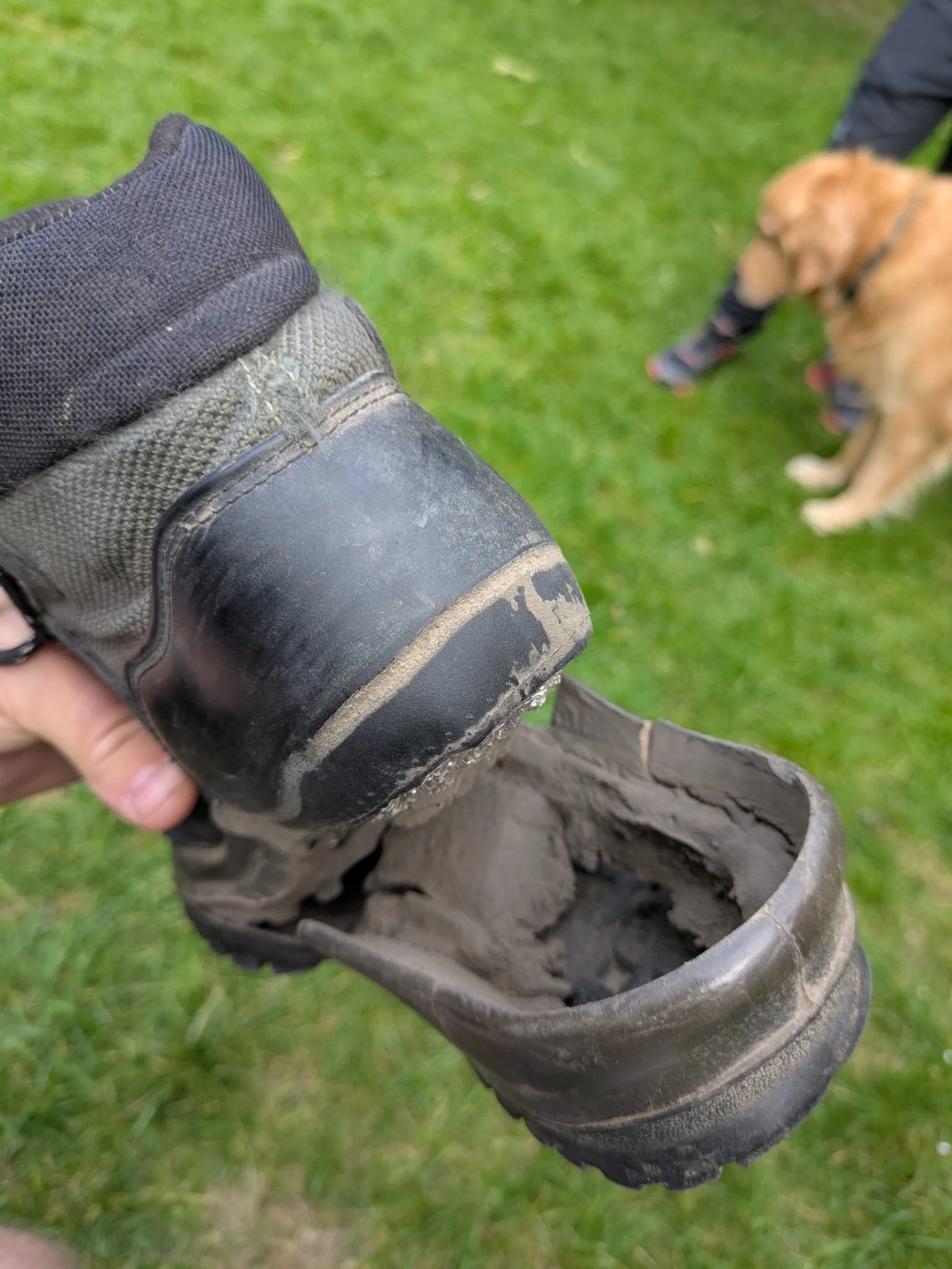
Equally, be careful about borrowing boots. We’ve had so many pairs of mum’s boots that look perfectly good but fall to pieces when you start walking. Why? If boots have been sitting at home for 10 years, the glue goes off. You can’t see this and they look fine, but as soon as you start walking the soles just fall off. Don’t take our word for it; have a look at our article here!
Wear Them In
Wear your boots in before you come! If your feet aren’t used to walking far in your boots, you will find out the exact places they don’t fit you properly from the excruciating blisters you’ll get. Don’t skip this! Wearing them around the house doesn’t help much; you’ll need to actually go out for a walk..
Get some good socks
The socks they sell in outdoor shops are usually good - the brand isn’t important, they just need to be tough socks that can take hiking. Modern socks will have padding in the right areas, so that old advice abut wearing two pairs of socks isn’t really necessary any more.
The crucial thing about socks is to keep them dry. Wet skin on your feet is soft, and that’s where a lot of blisters start. Dry skin is tougher, so having some dry socks in your pack and changing part way through the day is worth doing. And dry your socks at camp as a priority.
Stop blisters before they start
Another part of prevention is to attend to a blister before it becomes a blister. Often you’ll get a sore patch or a red spot which is rubbing. If you treat this as soon as you see it (don’t wait!), it is less likely to become a blister. Just take your boots and socks off and put a plaster on it. There are also special blister plasters called Compeed and other brands. This will create an extra layer and will stop whatever is rubbing against your foot from getting worse.
Manage yourself!
A piece of advice we should all give ourselves - think about yourself! Be considerate to your body - for a week you are doing something that’s unusual and more stressful to your mind and body than normal. You need to eat more, think about your clothes and footwear, keep yourself dry, and think about the next thing as you go along. Prepare yourself, and act on it. A good motto for life, maybe….?