
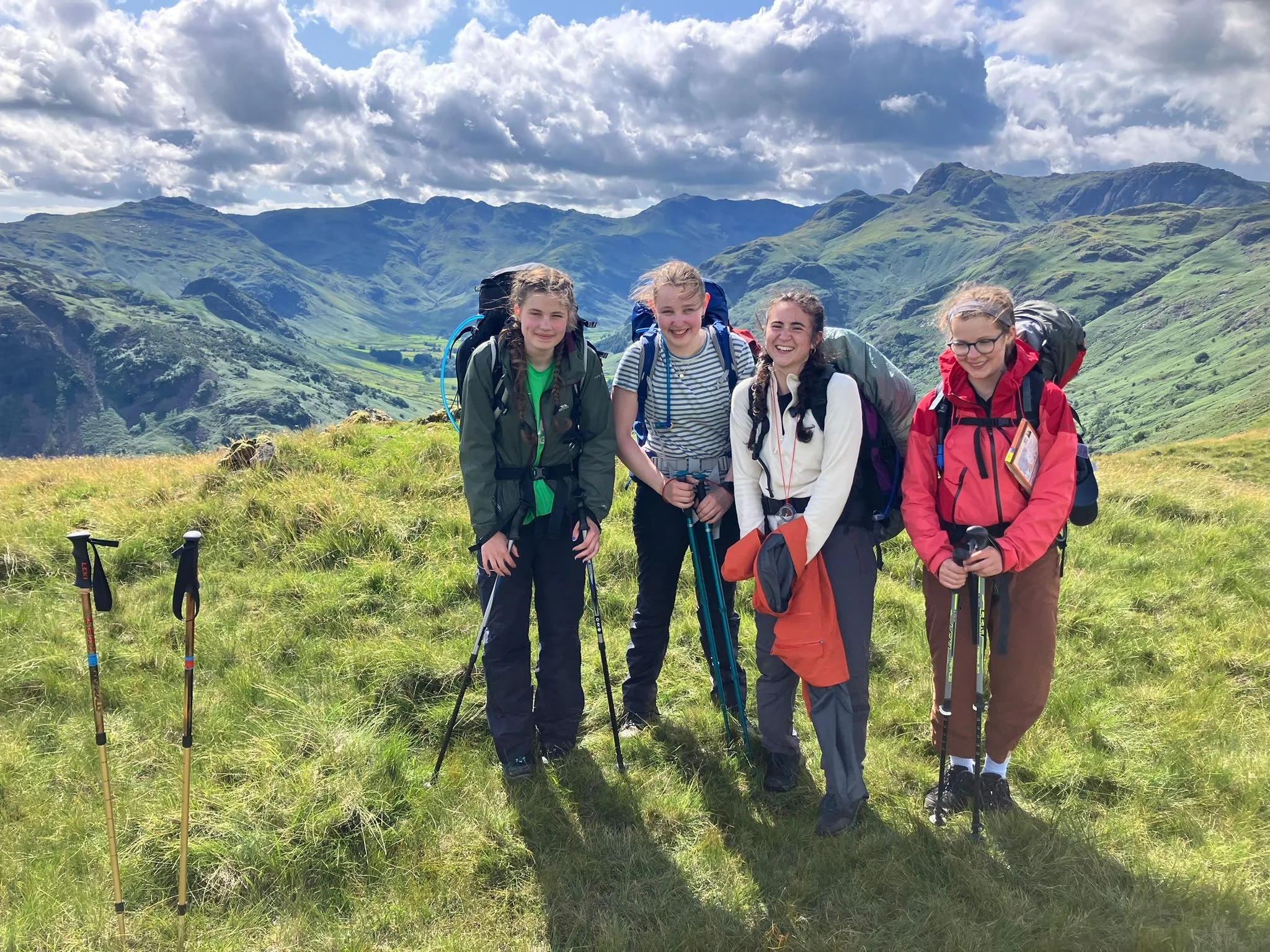
A Gold Duke of Edinburgh’s Award expedition is a serious undertaking. You’ll be walking for at least four days and three nights, carrying everything you need with you, including your food.
That means choosing what to eat is more important than you might think. You need enough food to keep you moving over long days, but you also need to think carefully about weight, storage, preparation and cooking. There’s little point planning a fantastic three-course meal if you have to carry a tin of tomatoes, a heavy frying pan and half your kitchen around the hills!
The good news is that expedition food can be both healthy and enjoyable. With a little planning, you can eat surprisingly well using nothing more than a simple camping stove such as a Trangia.
Think about weight first
The first rule of Gold expedition food is simple: you have to carry it.
Four days of breakfast, lunch, dinner and snacks can add a surprising amount of weight to your rucksack. The DofE recommends choosing food that packs plenty of energy into the smallest possible weight and volume, while still maintaining a balanced diet.
This doesn't mean surviving on chocolate bars for four days. Instead, look for foods that are:
Lightweight
High in energy
Nutritionally useful
Compact
Able to survive several days without refrigeration
Easy to prepare
Food that you actually enjoy eating
Avoid heavy tins and glass jars wherever possible. They may be perfectly sensible at home, but carrying four days' worth of them up hills isn't much fun. Also avoid food that needs refrigeration or is easily crushed.
One useful trick is to remove unnecessary packaging before you leave. Transfer dried foods into strong resealable bags and organise your food into individual daily rations. You can then simply take out the bag for that day rather than rummaging through your entire rucksack.
And remember: your packaging is coming with you too. If you carry it in, you need to carry it out.
Breakfast: start the day properly
After sleeping in a tent, you are going to need fuel.
Breakfast should give you a good supply of carbohydrates and energy before you start walking. Porridge is an obvious choice because oats are lightweight, inexpensive and easy to cook. Add powdered milk, dried fruit, nuts or seeds for extra energy and flavour.
Other possibilities include:
Muesli or granola
Instant porridge sachets
Breakfast bars
Dried fruit and nuts
Bagels or wraps
Instant noodles
Hot chocolate or tea
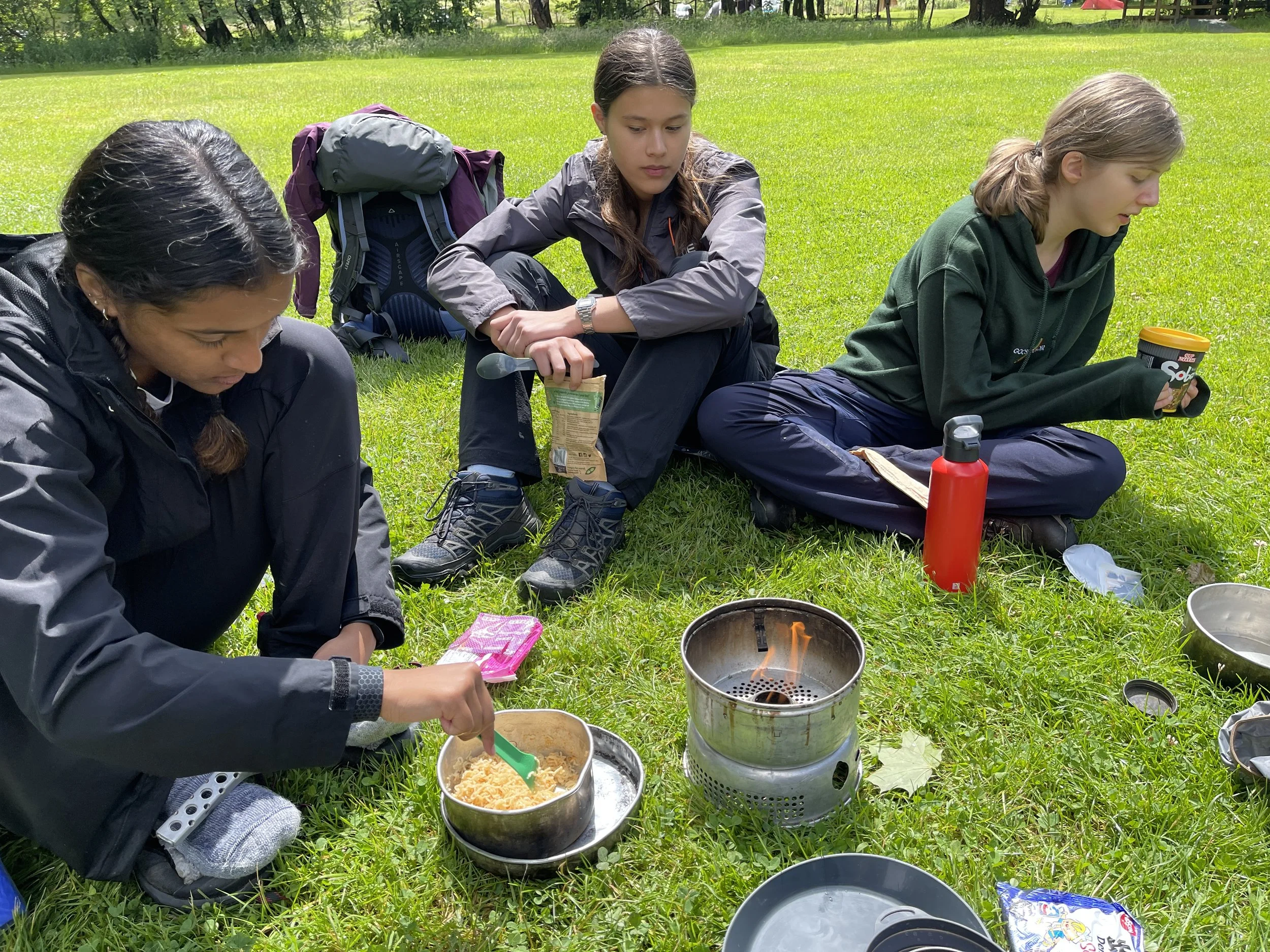
If you're using a Trangia or similar stove, porridge is particularly straightforward. Add the required amount of water, bring it to the boil and simmer briefly. There's no complicated cooking and very little washing up.
The key is to eat a proper breakfast rather than relying entirely on snacks later in the morning. You are about to spend several hours walking, often with a heavy rucksack, so starting with plenty of fuel makes sense.
Lunch doesn't have to be cooked
Lunch is where you can save both time and fuel.
After several hours on the trail, you may not want to stop for half an hour to cook a meal. A packed lunch that can be eaten immediately is often much more practical.
Wraps and pitta breads are particularly useful because they are less fragile than ordinary bread. Fill them with things such as:
Peanut butter
Hard cheese
Hummus
Tuna or other suitable pouches
Cured meats
Nut butter
Jam or honey
Add some dried fruit, nuts, a cereal bar or a little chocolate and you've got a compact lunch with plenty of energy.
Another good approach is to eat little and often. Rather than waiting until you're exhausted and then having a huge lunch, keep a few snacks accessible in the top or side pocket of your rucksack.
The DofE itself suggests foods such as flapjacks, cereal bars, nuts, dried fruit, biscuits, chocolate, sweets and Kendal mint cake as useful high-energy expedition foods.
Snacks are important
Walking for several hours is hard work, and your energy levels will naturally rise and fall during the day.
Carry snacks somewhere that you can reach them easily. You don't want to unpack half your rucksack every time you fancy something to eat.
Good choices include:
Nuts and trail mix – excellent because they're compact and energy-dense.
Dried fruit – lightweight and provides carbohydrate without the weight of fresh fruit.
Flapjacks and cereal bars – easy to eat while walking.
Chocolate – useful for a quick energy boost and, let's face it, something nice to look forward to.
Sweets or jelly cubes – useful when you need a quick hit of carbohydrate.
The trick is to combine these quick-energy foods with more substantial foods containing carbohydrates, protein and fats. You're doing a lot more exercise than you normally do, so don't be surprised if you are considerably hungrier than usual.
Dinner: keep it simple
At the end of a long day, there's nothing quite like a hot meal.
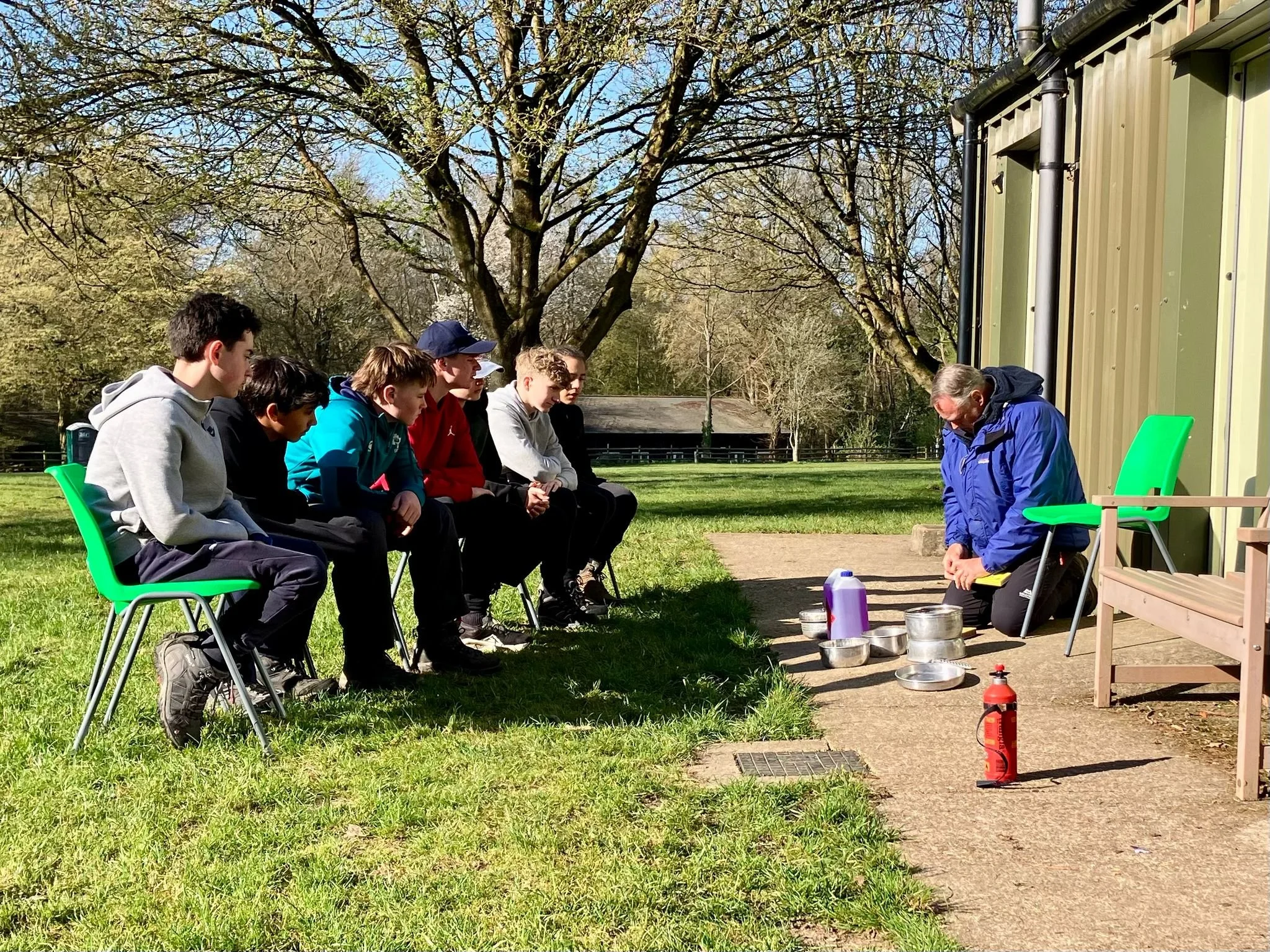
This is where a simple Trangia stove comes into its own. You don't need to produce restaurant-quality food. The best expedition meals are generally those that are simple, filling and require very little washing up.
The DofE recommends foods such as soup, curry, stews, pasta and stir-fries as good camping-stove meals. (DofE)
One-pot pasta
This is one of the easiest options.
Take dried pasta, a sachet of sauce or seasoning and some dried vegetables. You could add a pouch of tuna, chicken or another source of protein. Everything can be cooked in one pan.
Couscous
Couscous is particularly good for expeditions because it is very light and cooks with hot water rather than requiring lengthy boiling.
Add dried vegetables, herbs and spices, then some tuna, beans or another protein source. You can even make it into a surprisingly good curry.
Noodles
Instant noodles are a poor choice for DofE! They have hardly any nutritional value - we’d say don’t bring them.
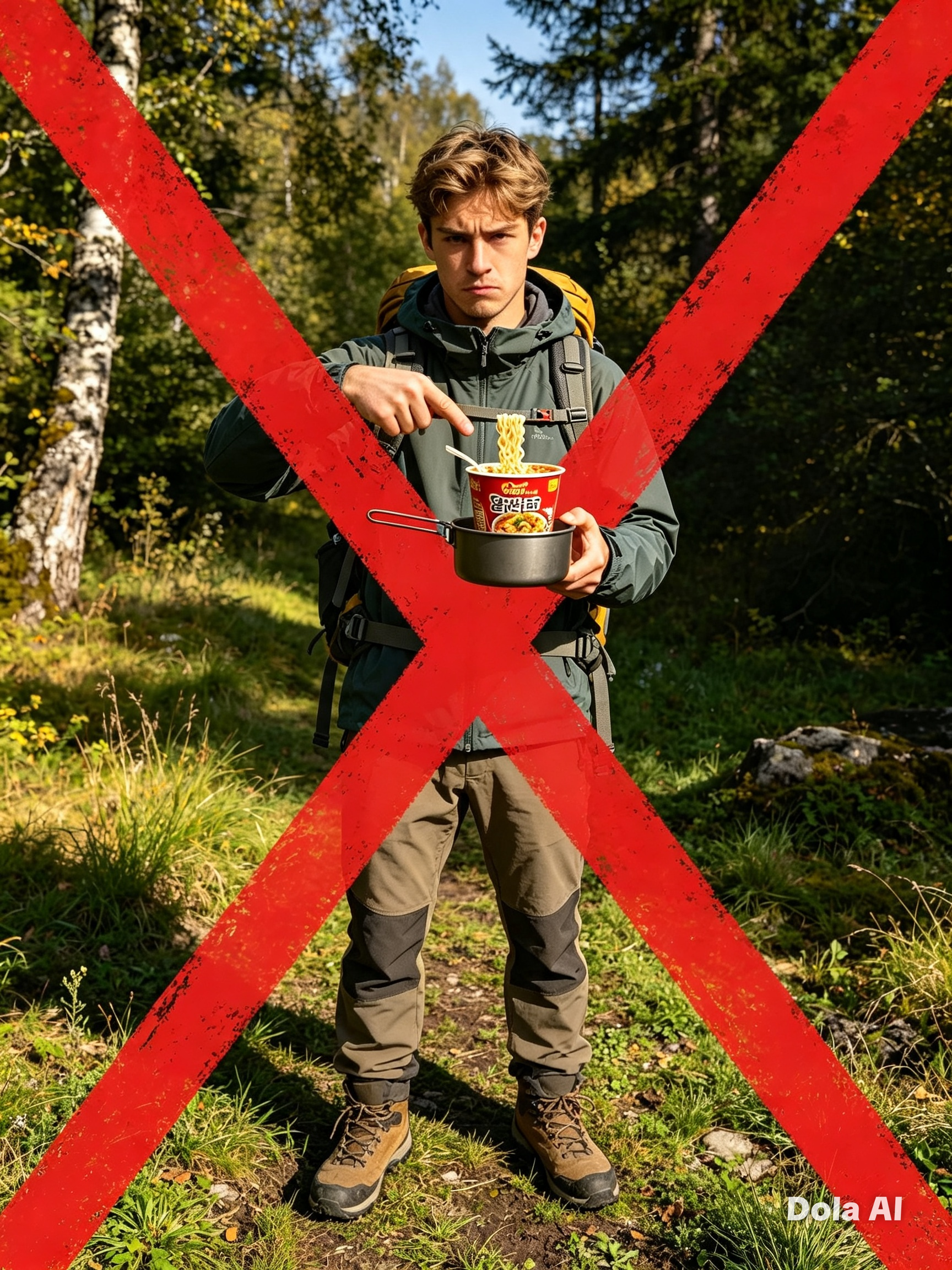
Say NO! to Noodles
Dehydrated expedition meals
There are now plenty of commercially produced dehydrated meals available. They are particularly convenient because you simply add hot water, wait a few minutes and eat them from the pouch.
They can be more expensive than supermarket ingredients, but they have a major advantage: they are designed specifically to provide plenty of food with very little weight and preparation. The DofE recommends lightweight expedition food pouches and currently lists both ready-to-eat and dehydrated options.
Don't forget protein and vegetables
It is tempting to think entirely in terms of calories when planning expedition food. Calories are certainly important, but nutrition matters too, particularly over four days of strenuous activity.
Try to include a mixture of:
Carbohydrates – pasta, rice, couscous, oats, noodles and wraps
Protein – nuts, peanut butter, tuna, dried meat, beans or suitable protein-rich meals
Healthy fats – nuts, seeds and nut butters
Fruit and vegetables – dried fruit and dried vegetables are particularly practical
The aim isn't to create a perfect diet while camping. It's to give your body a good mixture of nutrients while keeping the food practical enough to carry and prepare.
Think about your stove when choosing your meals
Before deciding on your menu, think about what you can actually cook with your stove.
A simple Trangia isn't a domestic kitchen. You have limited fuel, limited pan space and limited time.
Practising cooking before an expedition is a good idea - if you don’t have a camping stove, how about practising just using one ring on a hob at home so you’re used to using just one heat source?
A good meal might involve:
Boiling water.
Adding it to your main ingredient.
Simmering for a few minutes.
Adding your other ingredients.
Eating.
A bad meal might involve frying five separate ingredients, boiling potatoes for 20 minutes, making a sauce in another pan and then discovering you have to wash everything up in cold water!
The fewer pans and the less washing-up, the better.
Also remember that the stove needs to be used on a stable, level surface away from tents and other flammable materials. Fuel should be handled according to your training and kept well away from the stove itself.
Plan your four days before you pack
Don't simply buy lots of food and throw it into your rucksack.
Sit down with your team and make a four-day menu.
For each day, work out:
Breakfast:
What are you eating and how much?
Lunch:
Can you eat it without cooking?
Snacks:
What will you eat during the day?
Dinner:
What are you cooking and how much water does it need?
Drinks:
What will you drink during the day and at camp?
Then weigh everything.
You might be surprised at how quickly small items add up. If one meal can be replaced with something equally nutritious that weighs 100g less, that saving becomes significant when multiplied across several days.
Pack each day's food together so it is easy to find when needed.
Finally, make food something to look forward to
Food isn't just about nutrition.
After walking all day in the rain, putting up your tent and finally sitting down, a hot meal can be one of the best parts of the expedition. The DofE describes expedition catering as an opportunity for creativity, teamwork and developing practical life skills.
So don't choose your food simply because it has the highest number of calories per gram.
Choose food you actually like.
If you hate porridge at home, you're unlikely to suddenly love it when you're cold, tired and sitting in a field. If you have a favourite curry, pasta dish or noodle recipe that can be adapted for a camping stove, that's much more likely to be a success.
And don't forget the small treats. A chocolate bar at the top of a hill, a hot chocolate before bed or a favourite pudding after dinner can make a surprisingly big difference to morale.
A successful Gold expedition isn't about carrying the least possible food. It's about finding the right balance between weight, energy, nutrition, simplicity and enjoyment.
Plan your meals carefully, practise cooking them before the expedition and make sure you know how your stove works. Do that, and when you finally reach camp after a long day on the hills, you'll have something much better than just fuel waiting for you: a proper meal that you've earned.